The Sovereign European Archive

Centuries of Stone, Sovereignty & Splendor

An authoritative editorial chronicle of Europe’s most revered royal residences, fortified strongholds, and romantic châteaux.

Start Castle Discovery
240+
Historic Monuments Documented
18
European Sovereign Regions
1,200
Years of Architectural Evolution
42
Curated Motoring Itineraries
Curated Collection

Featured Crown Estates & Fortresses

Hand-selected masterworks representing Gothic fortified power, Renaissance refinement, and 19th-century Romantic revivalism.

Filter By Architectural Epoch:
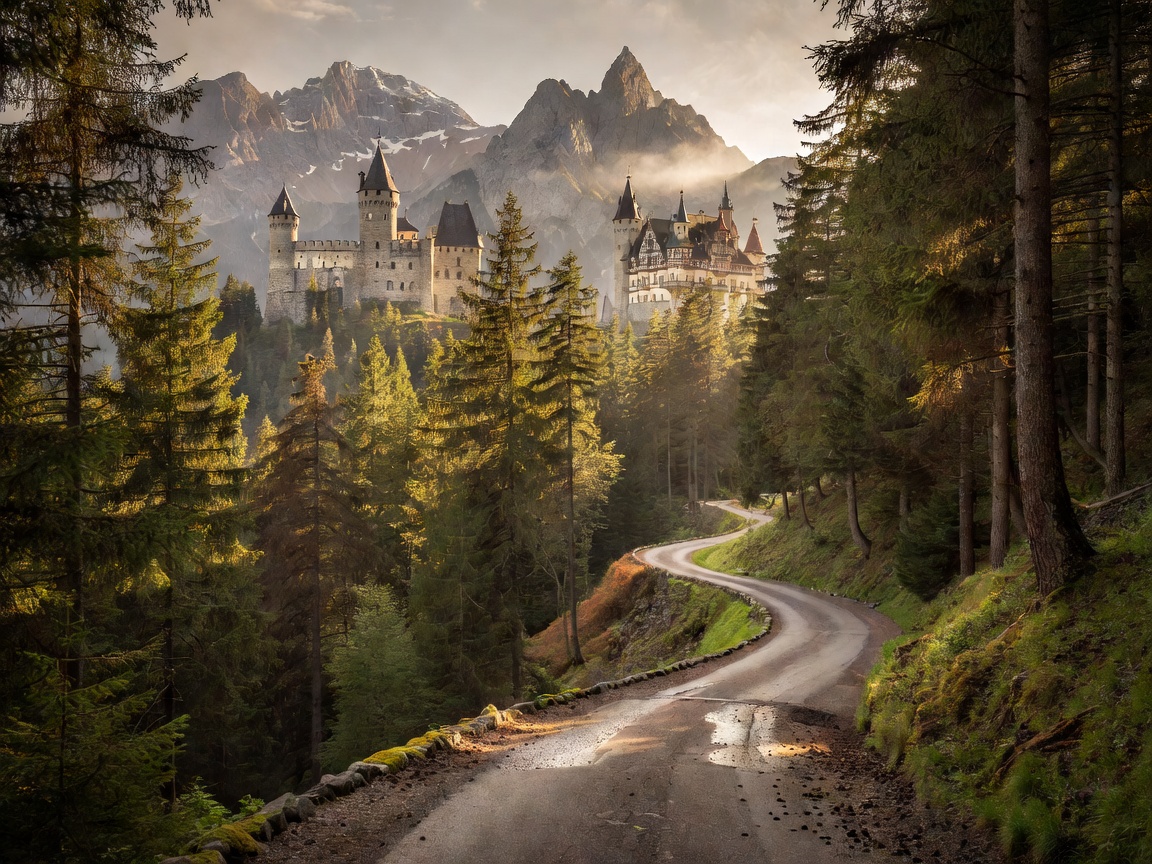
Scenic view of Neuschwanstein Castle nestled in Bavarian Alps Romantic Revival Bavaria, Germany
19th Century • King Ludwig II

Neuschwanstein Castle

Perched on a rugged cliff above Hohenschwangau, Ludwig II's fairytale refuge blends Wagnerian mythology with Romanesque Revival grandeur.

Construction 1869–1886
Elevation 965 m (3,166 ft)
View Comprehensive Dossier →
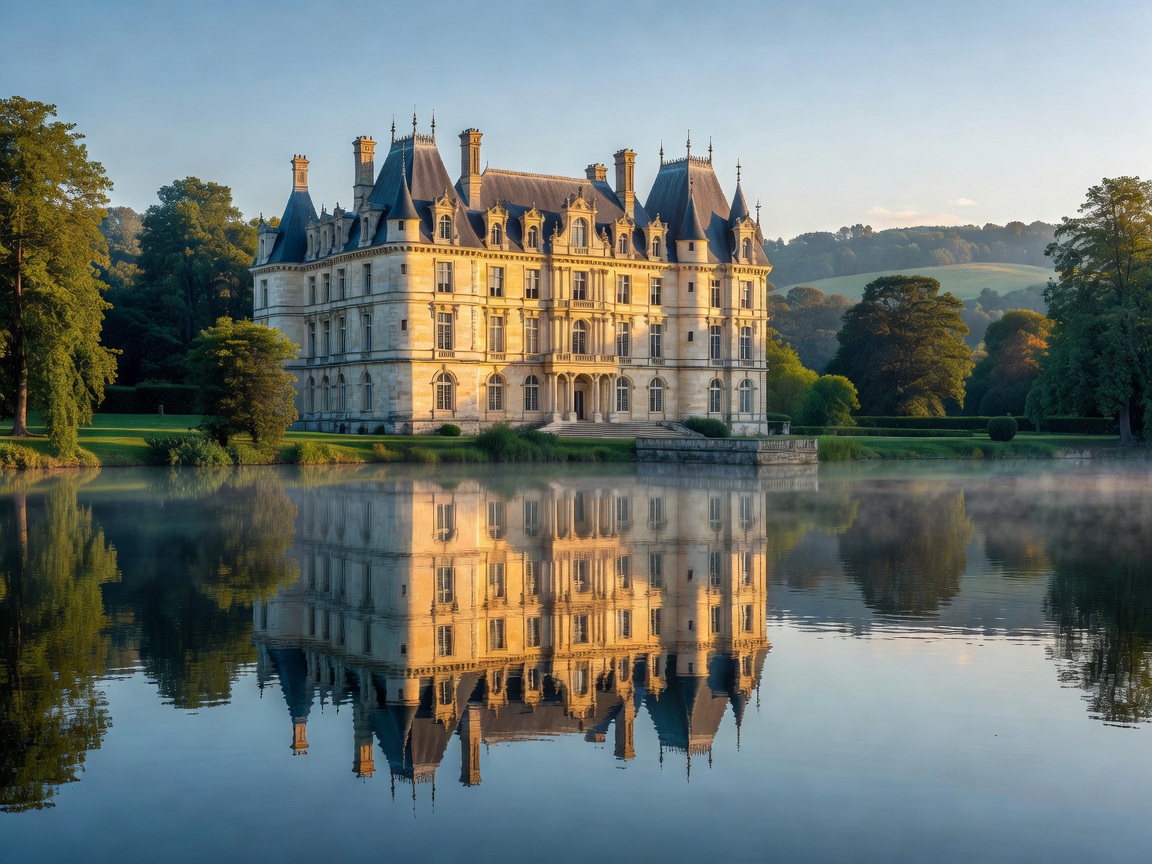
Symmetrical facade and rooftop lanterns of Chateau de Chambord in the Loire Valley French Renaissance Loire Valley, France
16th Century • King Francis I

Château de Chambord

An emblem of royal ostentation featuring Leonardo da Vinci's double-helix staircase and a dramatic skyline of 282 ornate chimneys.

Construction 1519–1547
Estate Park 5,440 Hectares
View Comprehensive Dossier →
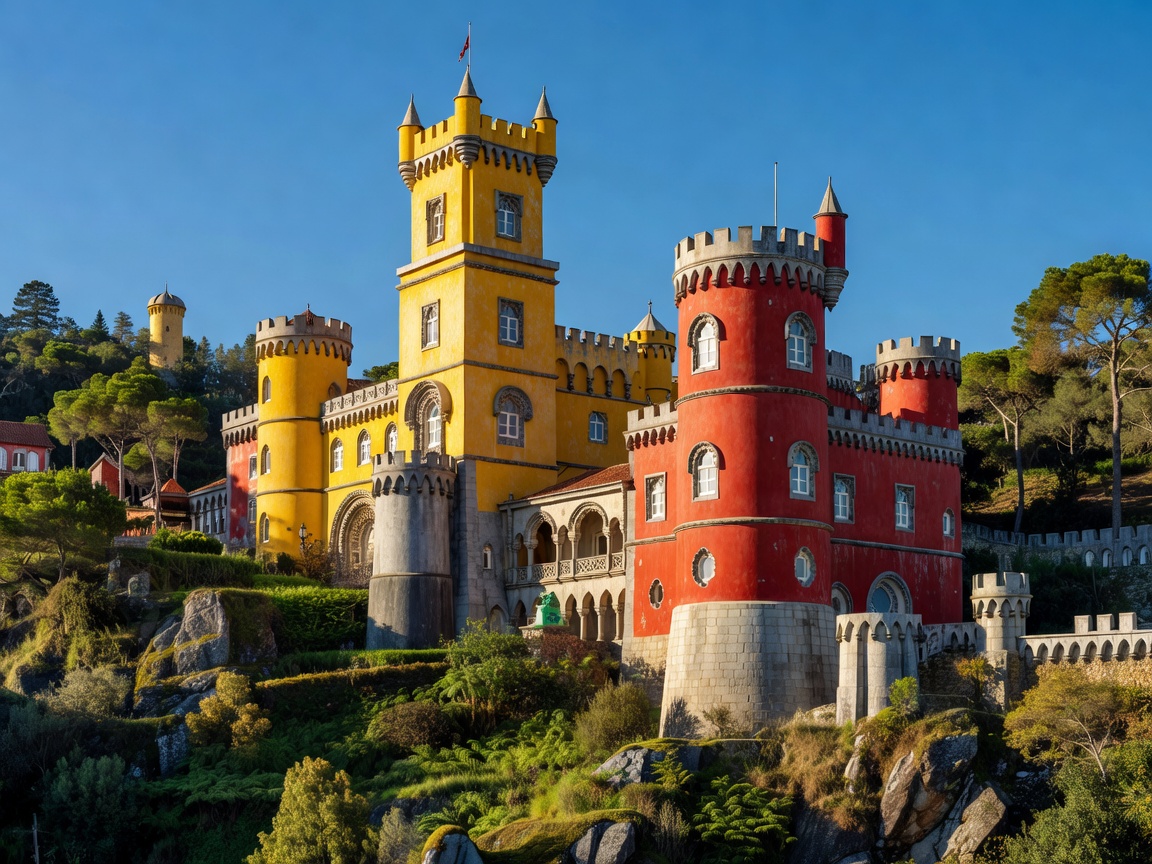
Vibrant yellow and red towers of Pena National Palace in Sintra Portugal Romanticism & Neo-Manueline Sintra, Portugal
1854 • King Ferdinand II

Pena National Palace

Crowning the Sintra mountains in brilliant ochre and terracotta, Pena stands as an extravagant harmony of Moorish, Neo-Gothic, and Renaissance design.

UNESCO Status Inscribed 1995
Key Highlight Triton Terrace
View Comprehensive Dossier →
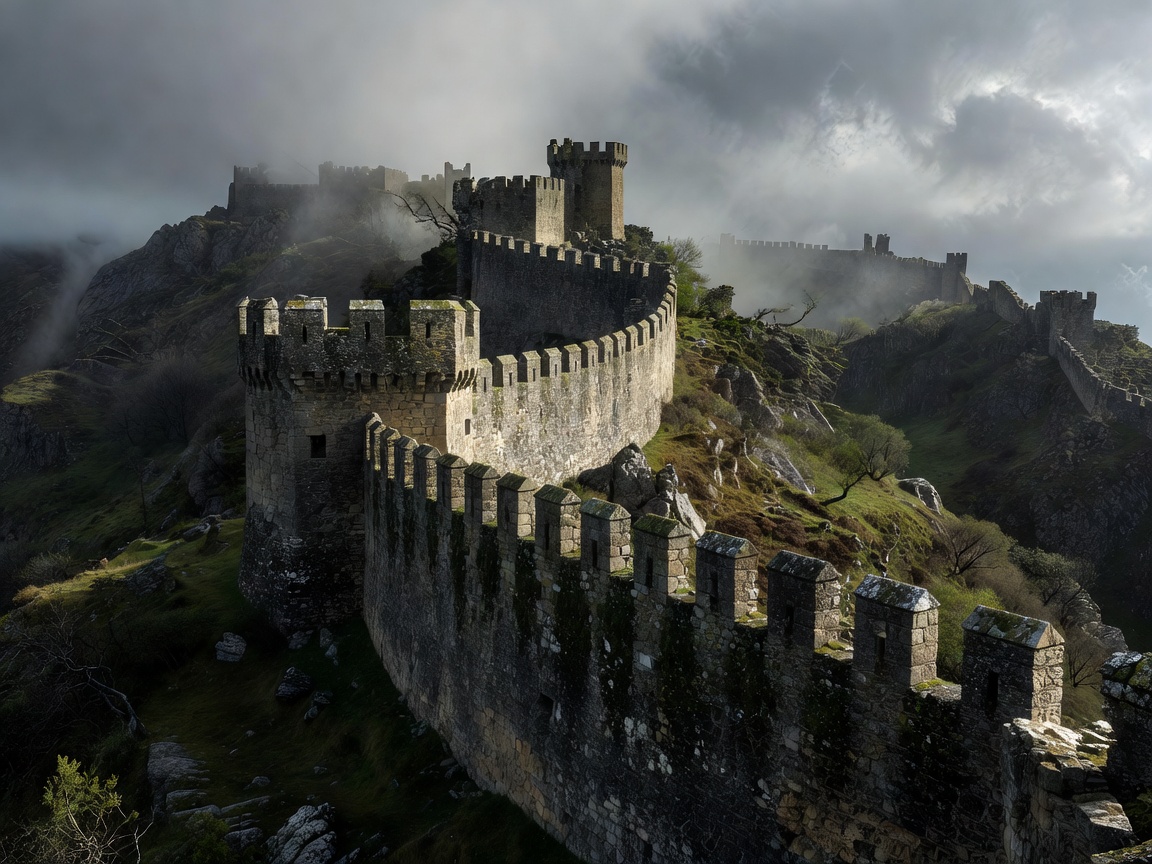
Dramatic stone battlements of an ancient fortified European citadel
Historical Insight

Fortification to Feasting: The Great Defensive Evolution

Prior to the widespread deployment of siege cannons in the 15th century, European castles prioritized sheer verticality, concentric curtain walls, and impenetrable portcullises. As gunpowder rendered stone battlements vulnerable, monarchs repurposed royal wealth into palatial pleasure retreats with symmetrical manicured gardens and vast glazed gallery halls.

Our architectural guides trace this profound transition across France, Germany, Scotland, and Central Europe, detailing structural engineering, secret subterranean escape routes, and diplomatic throne chambers.

Discover Curated Routes →
Chronology

Milestones in Castle Architecture

Key eras that forged Europe’s architectural landscape from Norman motte-and-baileys to imperial Baroque palaces.

1066 – 1190

Norman Stone Keeps & Curtain Walls

Transition from timber earthworks to thick limestone keeps, exemplified by the White Tower in London and Château Gaillard along the Seine.

1250 – 1400

High Gothic Fortresses & Concentric Rings

Mastery of defense-in-depth engineering, machicolations, circular flanking towers, and vaulted ceremonial halls across Wales, France, and the Holy Roman Empire.

1500 – 1650

Renaissance Pleasure Châteaux

The demilitarization of aristocratic residences, introducing symmetrical facades, grand formal parterres, and classical colonnades in the Loire Valley and Italy.

1840 – 1890

Romantic Revivalism & Fairytale Follies

Nostalgic romantic reimaginings of the Middle Ages, blending modern plumbing and theatrical interiors in Bavaria, Sintra, and the Scottish Highlands.

The Grand Gazette

Curated European Heritage Dispatches

Receive monthly architectural monographs, private access notices to aristocratic private archives, and seasonal driving route maps.